🌙 Celestial Command Center
Lunar phases, planetary alignments, gravitational stress analysis & tidal force calculations for earthquake correlation research
Lunar Gravitational Pull
1.00x
relative to average
Solar Tidal Force
0.46x
relative to Moon
Combined Stress
MODERATE
syzygy alignment
PSA Celestial Factor
15%
algorithm weight
LUNAR STATUS — REAL-TIME IMAGERY
NASA SVS Moon Phase Visualization🌙 Current Moon Phase & Orbital Data
NASA SVS
Phase Name
Calculating...
Illumination
--
percent visible
Distance from Earth
---
kilometers
Lunar Age
--
days into cycle
Next Full Moon
---
Next New Moon
---
⚡ Gravitational Stress & Earthquake Correlation
Research shows statistically significant correlation between lunar position and seismic activity. During perigee (closest approach), the Moon's gravitational pull increases by ~14%, creating additional stress on tectonic plates. Syzygy (Sun-Earth-Moon alignment during new/full moons) produces maximum tidal forces. TeslaQuake's PSA algorithm weights celestial factors at 15% — the M8.1 flare + M7.0 Alaska quake occurred during a waxing gibbous phase with elevated gravitational stress.
PLANETARY POSITIONS — GRAVITATIONAL ANALYSIS
Conjunction & opposition tracking🪐 Solar System Gravitational Influence
CALCULATED| Planet | Distance (AU) | Angular Sep. | Status | Tidal Force (rel. Moon) |
|---|---|---|---|---|
| ☿ Mercury | 0.61 AU | 23° | — | 2.1×10⁻⁵ |
| ♀ Venus | 0.72 AU | 45° | — | 5.4×10⁻⁵ |
| ♂ Mars | 1.52 AU | 89° | — | 1.2×10⁻⁶ |
| ♃ Jupiter | 5.20 AU | 120° | — | 6.3×10⁻⁶ |
| ♄ Saturn | 9.58 AU | 67° | — | 2.1×10⁻⁷ |
SPACE WEATHER CONTEXT
Geomagnetic conditions affecting celestial correlation🧲 Kp Index
NOAA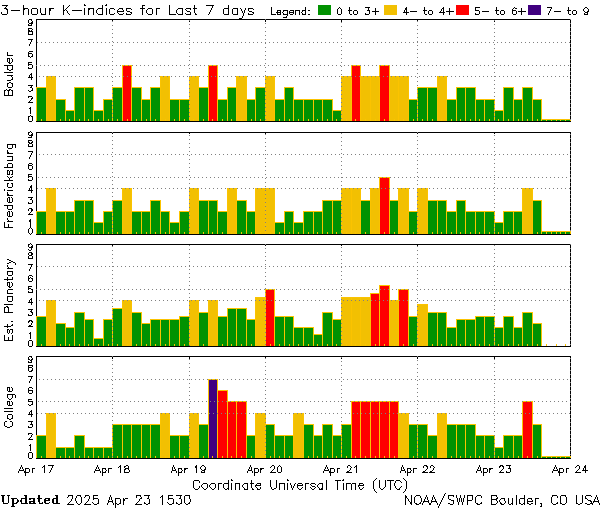
🌌 Aurora Forecast
OVATION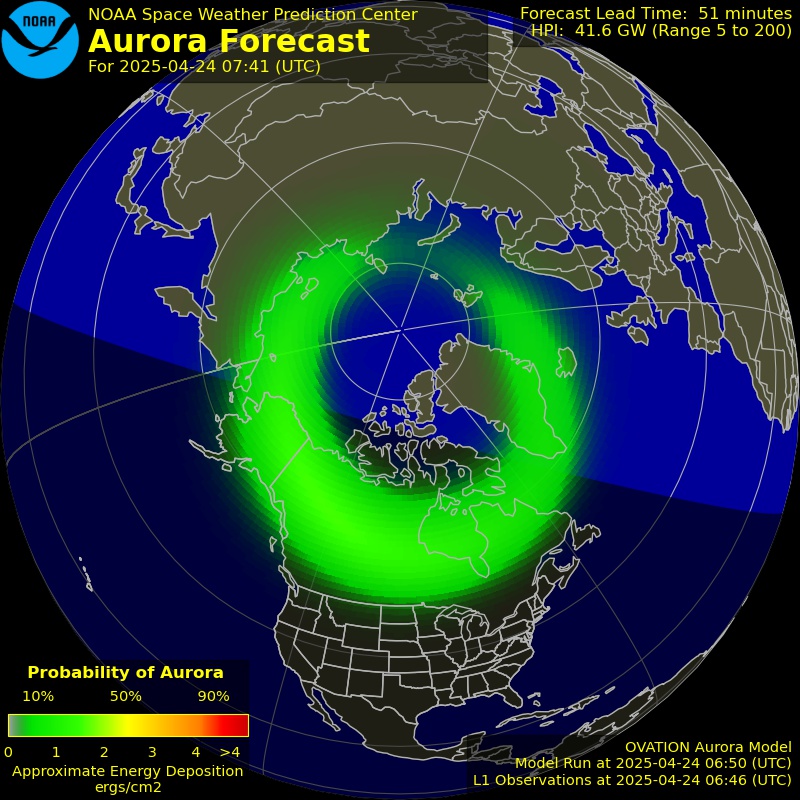
🌍 Magnetosphere
NASA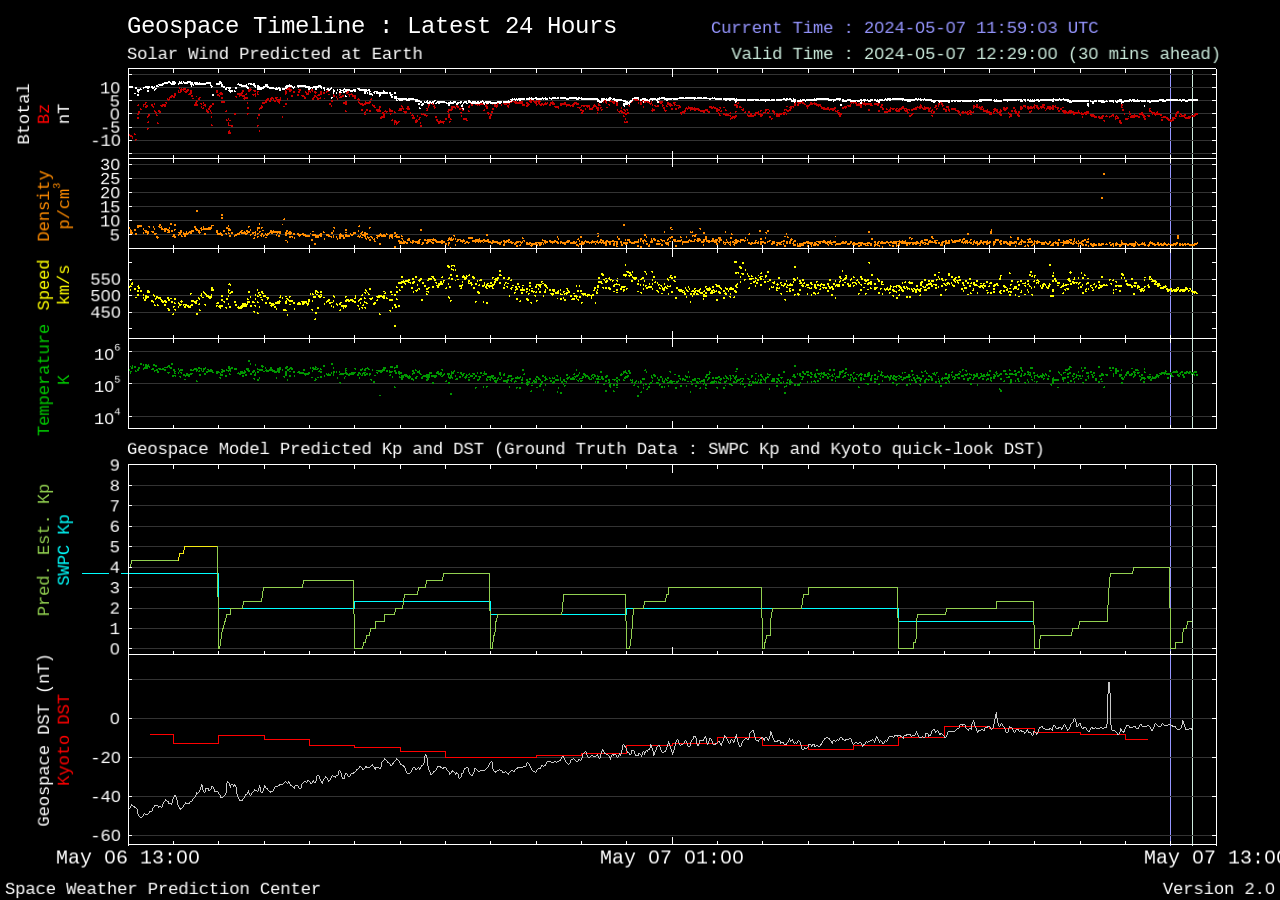
EARTH FROM SPACE — LIVE SATELLITE IMAGERY
Full-disk Earth views from GOES & DSCOVR EPIC🌍 GOES-18 West (GeoColor)
LIVE
🌎 EPIC Earth (DSCOVR)
NASA
⚡ Hemispheric Power
NOAA